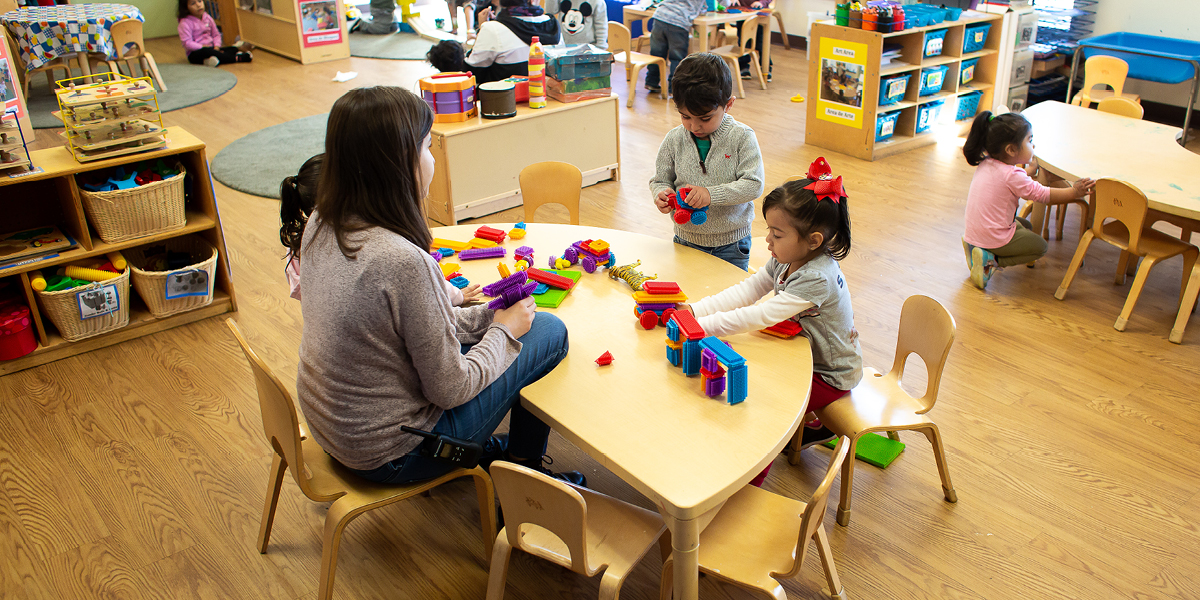
The term "Early Childhood Education Section" typically refers to a specific area or department within an educational institution, government agency, or organization that is dedicated to the development and implementation of early childhood education programs and policies. Early childhood education focuses on the learning and development of young children, usually from birth to around 8 years of age. This period is crucial for cognitive, social, emotional, and physical development, and early childhood education programs aim to provide a strong foundation for a child's lifelong learning journey.
Here are some key aspects of an Early Childhood Education Section:
Curriculum Development: This section is responsible for creating age-appropriate curriculum materials and activities that promote learning and development in young children.
Teacher Training: It provides training and professional development opportunities for early childhood educators, ensuring they are equipped with the knowledge and skills to teach young children effectively.
Quality Assurance: It establishes and enforces standards for quality in early childhood education programs, including child care centers, preschools, and kindergarten programs.
Research and Development: This section may engage in research to improve understanding of early childhood development and education, leading to the creation of evidence-based practices.
Policy Development: It plays a role in developing and advocating for policies that support early childhood education, including regulations, funding, and best practices.
Family Engagement: Early childhood education sections often promote family involvement in a child's education, recognizing the vital role that parents and caregivers play in a child's early learning experiences.
Special Education Services: Some sections may focus on providing services and support for children with special needs, ensuring they receive appropriate educational interventions from a young age.
Community Outreach: They often work to engage the community, raise awareness about the importance of early childhood education, and provide resources and support for parents and caregivers.
Access and Equity: Ensuring that all children, regardless of socioeconomic status or background, have access to high-quality early childhood education is a critical goal for this section.
Assessment and Evaluation: They may develop and implement assessments to measure the progress and development of young children in educational programs.
Collaboration: Collaboration with other educational institutions, agencies, and community organizations is often a key part of their work to provide comprehensive early childhood education services.
It's important to note that the specific roles and responsibilities of an Early Childhood Education Section may vary depending on the organization or government agency to which it belongs. The ultimate goal of such sections is to provide a solid foundation for young children's future success in school and in life by ensuring that they have access to high-quality, developmentally appropriate educational experiences.
Post a Comment